


London’s Passivhaus pipeline tops 4,500 homes
London’s Passivhaus pipeline continues to grow, with 3,809 homes in development and 707 homes certified across the capital. Together, these figures represent 4,516 multi-residential homes either certified or in development, highlighting the growing role of the international Passivhaus standard in London’s residential landscape.
 |
|
3809 |
707 |
|
Passivhaus homes in development |
Passivhaus homes certified |
From social housing regeneration to private residential schemes, projects across London are demonstrating how high-performance homes can be delivered in increasingly diverse settings.
This growth comes at an important moment for the capital. With consultation on the Draft London Plan now closed, attention turns to how planning policy can support higher standards of energy efficiency, summer comfort and building performance in the years ahead.
As the UK Passivhaus Conference heads to London on 18 November, the capital offers a timely case study in what is helping the standard move towards mainstream delivery, and what more is needed to accelerate progress.
A growing pipeline across London
London’s Passivhaus developments span a diverse mix of housing providers and delivery models. This year’s figures also reflect growing private sector engagement, from Barratt London’s scheme at Cockfosters to Grosvenor’s EnerPHit retrofits in Belgravia. Together with social housing projects, these account for a further 629 Passivhaus homes in development since our last London round up, illustrating the growing momentum underway in London.
Social housing has played a key role in demonstrating how the standard can support the delivery of comfortable, energy-efficient homes, while private residential development is helping broaden its application. With thousands of homes in development, attention is turning to how the lessons learned from pioneering schemes can be translated into repeatable, high-quality delivery across a wider range of projects, clients and boroughs. The pipeline now includes a community land trust, almshouses, a large private estate and a co-operative, showcasing the standard working for different clients.
A closer look at the projects by borough and housing tenure provides a clearer picture of where development is concentrated, how social and private housing contribute to growth, and where the next opportunities for adoption are emerging.
-
Hounslow remains home to London’s largest Passivhaus scheme, with 967 homes planned at Convent Way as part of a major estate regeneration.
- More than 90% of London’s Passivhaus homes are north of the Thames. South of the river, Lewisham leads the way with five schemes and 281 homes in development including 24 homes built to the PHI Low Energy Building standard.
- Twenty of London’s 32 boroughs now have at least one Passivhaus multi-residential scheme, including newcomers Hackney, Enfield and Tower Hamlets.
- Three Barratt London schemes on Places for London sites account for 1,111 homes, representing around 30% of all Passivhaus homes currently in development across the capital.
- Camden and Newham lead on completed delivery, with 288 and 283 certified homes respectively, together accounting for four in five of London’s certified Passivhaus homes.
- Newham has the highest number of schemes overall (11), while Hackney has the most currently in development, with eight infill projects.
Take a look at all of the multi-residential projects in London below and filter per borough.
Policy and quality: the levers for mainstreaming Passivhaus
The London Plan has been at the forefront of driving higher energy efficiency standards for buildings. Proposed changes in the Draft London Plan would raise expectations further, including space heating demand targets, energy use intensity (EUI) targets, operational monitoring and the Trust's call for Passivhaus certification as deemed to satisfy. Together, these measures provide an opportunity to support better-performing homes that deliver both energy efficiency and year-round comfort.
But policy is only one part of the picture. Delivering buildings that perform as intended depends on robust design, careful construction and effective quality assurance. The Passivhaus approach provides a proven framework for setting performance targets and verifying that buildings meet them.
Quality assurance also has wider benefits. While Passivhaus certification does not replace statutory building safety requirements, its disciplined approach to design, documentation and verification can help foster a stronger culture of quality across the construction process. The upcoming Healthy Homes recommendations are expected to further strengthen the business case for quality-assured Passivhaus adoption. Learn more at the UK Passivhaus Conference during the Healthy and safe buildings session, led by UCL’s Professor Rosalind Raine.
These themes will also be explored in the opening conference session, Passivhaus Levers in the UK. Bringing together Sapna Halai (GLA), John Palmer (Building Safety Regulator), Jack Ostrofsky (Warmer Homes London) and Attzaz Rashid (Barratt London) this session will examine the policy, technical and delivery mechanisms helping to drive wider adoption, with a keynote address from IPCC Vice-Chair Dr Diana Ürge-Vorsatz.

Beyond housing: new opportunities for Passivhaus
The opportunity extends beyond conventional residential development. Schools such as Hackbridge Primary School, community buildings and other non-domestic projects demonstrate the relevance of high-performance building design across a wider range of uses.
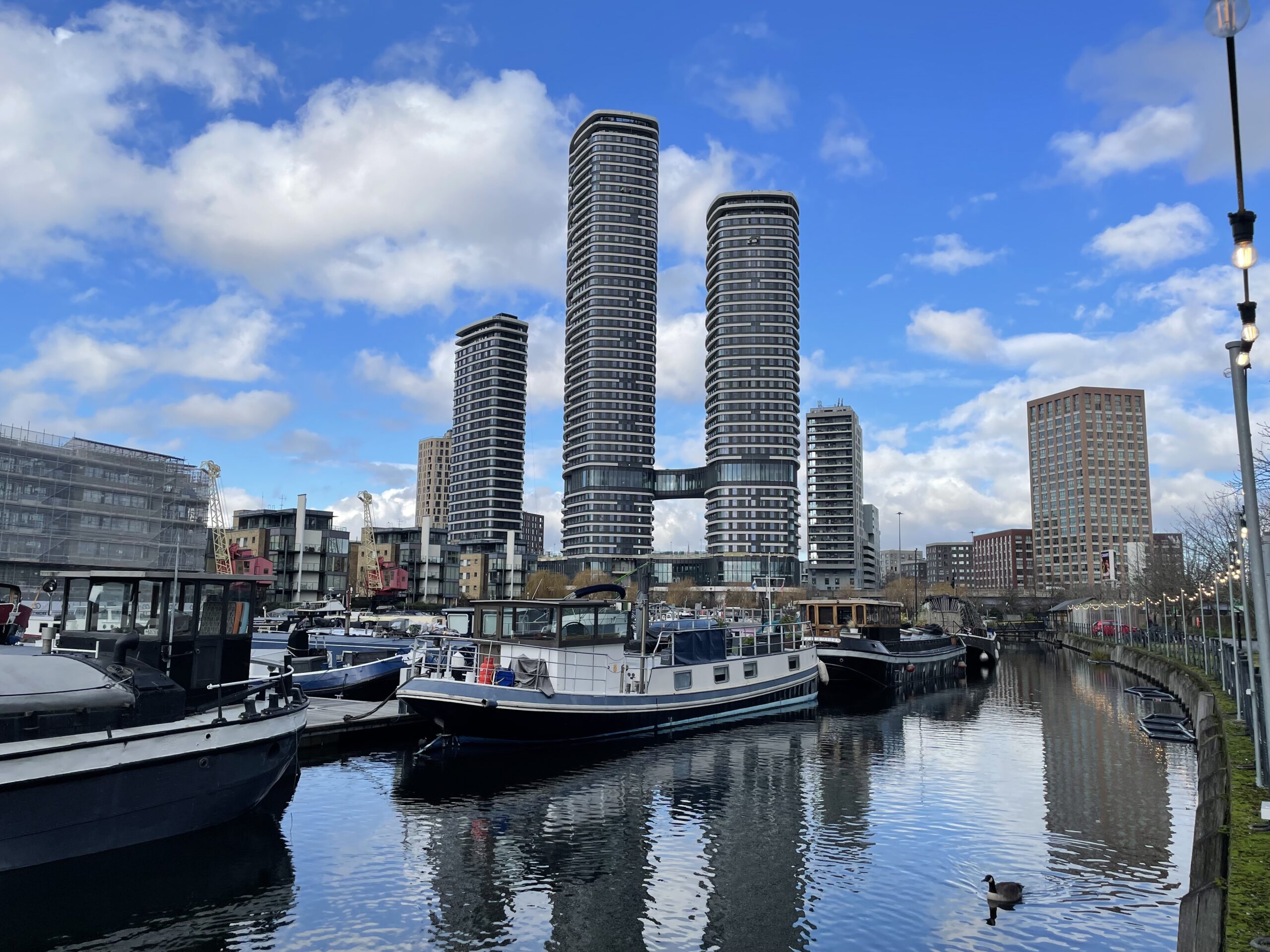
Student accommodation is an increasingly important part of the picture. At Trafalgar Way in Canary Wharf, the Urbanest development brings Passivhaus into a large-scale, high-density setting, combining 1,672 student beds with 81 residential apartments and commercial space. Projects like this and LSE's Bankside Residences, demonstrate how the standard can be applied to different building types and development models, helping to broaden experience across the built environment.
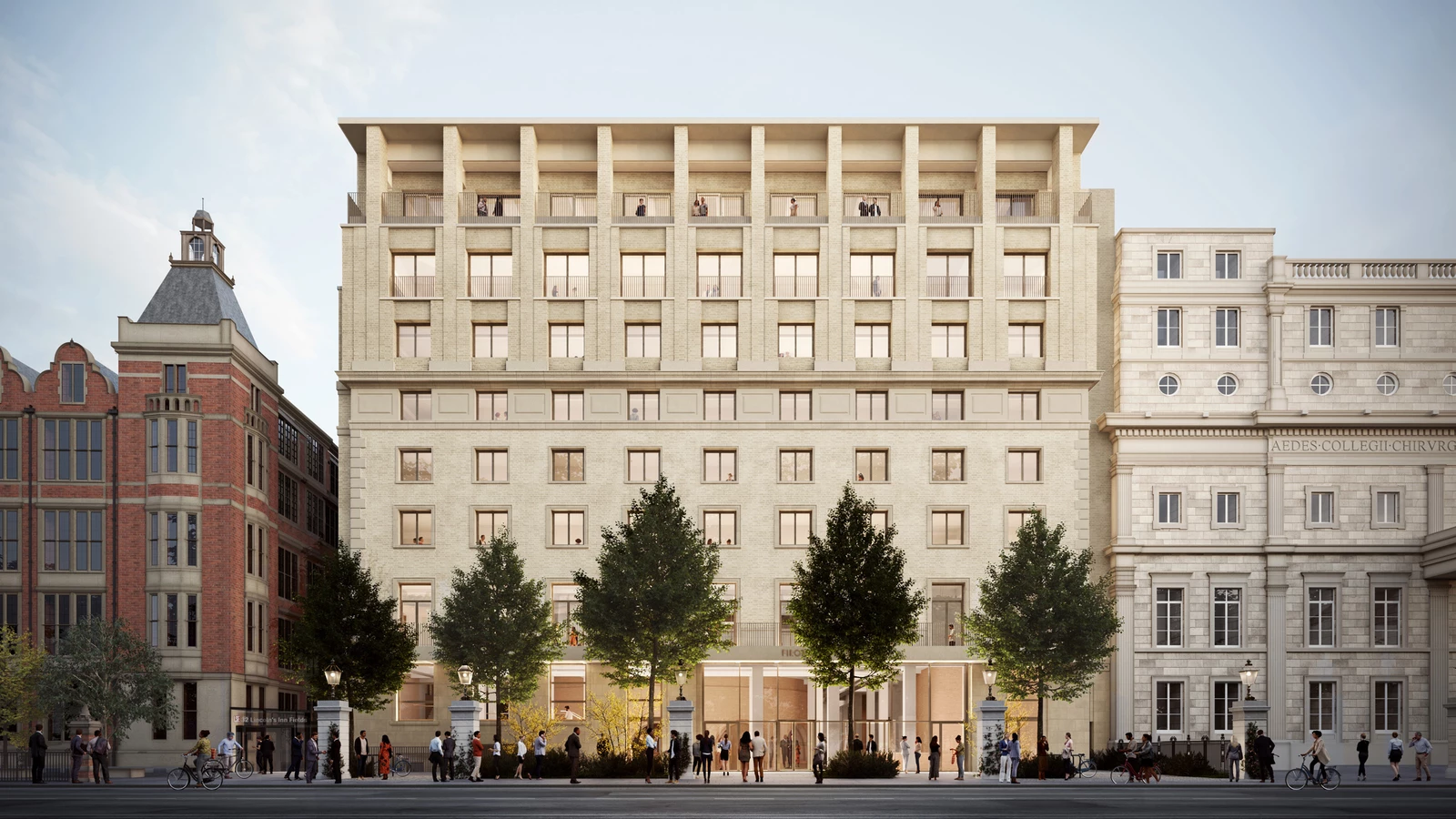
Retrofit is also becoming a growing area of opportunity in London. From individual building upgrades to estate-scale EnerPHit projects like James Riley Point, the focus is shifting towards how existing buildings can achieve deep energy reductions while improving comfort and resilience. Don't miss the Scaling retrofit in the UK session at the UK Passivhaus Conference to understand the lessons emerging from these projects or the Passivhaus Masterclass on 17 November where we'll be exploring one of the most ambitious non-domestic Passivhaus retrofit projects in the UK: the Firoz Lalji Global Hub.
 |
|
 |
 |
From a growing pipeline to mainstream delivery
London’s figures demonstrate the scale of ambition already taking shape. The next challenge is to build on this momentum. Supportive policy, robust quality assurance, investment in skills and a focus on retrofit will all be essential to creating the conditions for wider adoption.
Join the conversation
Dive deeper into these projects at the UK Passivhaus Conference, where the programme is packed with London case studies. Hear from Peabody, Beyond Carbon and Higgins Partnerships on procurement and quality assurance at Deptford Edge, join Camden Council in the Design pragmatism at scale session focused on social housing, explore the overheating risks and the implications of the GLA’s emerging policy, and learn from Henriksen Studio’s presentation on Urbanest. A limited number of free in-person public sector tickets, sponsored by Ecological Building Systems, are still available.
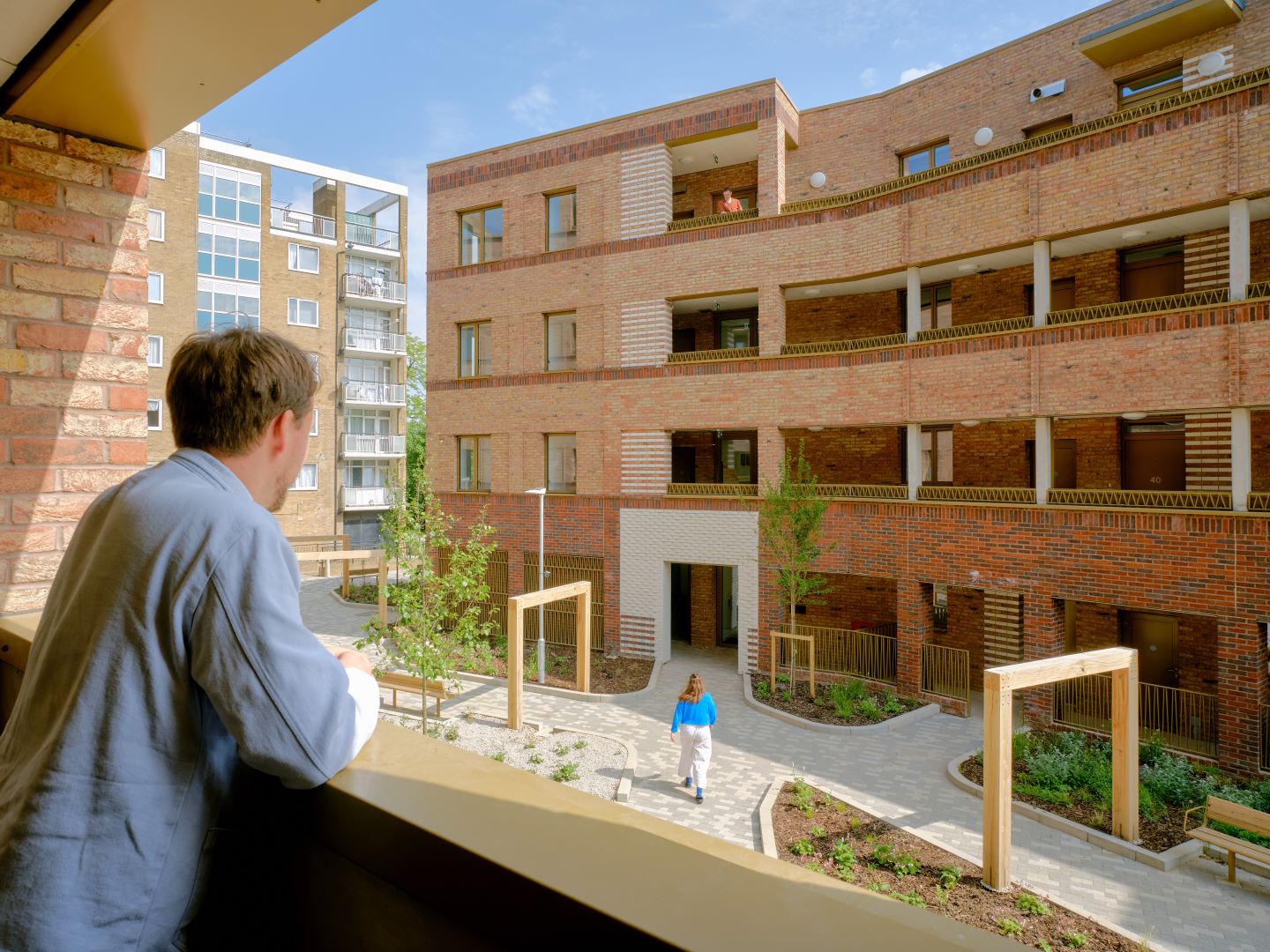
The Conference is just one part of this year’s PassiFest programme. In the lead-up, explore our curated Passifest programme in the run up to the Conference including the International Passivhaus Open Days, which feature opportunities to visit inspiring projects firsthand, including a tour of Vincent Street in Newham and the Agar Grove housing development in Camden.

Further information
Passivhaus Masterclass: Firoz Lalji Global Hub
Passivhaus & Building Standards
Previous PHT story: Draft London Plan 2026 consultation - 2 October 2026
Previous PHT story: Bollo Lane - Barratt London's Lo-E Passivhaus scheme - 27 April 2026
Previous PHT story: Are London’s homes ready for a heatwave? - 20 April 2026
Previous PHT story: London - the emerging global Passivhaus hotspot - 4 November 2025
Previous PHT story: The UK's Passivhaus giants - 23 May 2025
Previous PHT story: Major UK housebuilder to build Passivhaus for the masses - 20 May 2025
Previous PHT story: The London Plan & Passivhaus - 1 March 2025
Previous PHT story: Certification for Newham's first Passivhaus scheme – 1 February 2025
Camden |
|
Agar GroveAtter lessons learned from building 52 Passivhaus homes at Chester Balmore, Camden Council is undertaking an ambitious phased council housing regeneration scheme that aims to almost double its housing capacity on the same estate.
|
|
29th October 2026
Get involved with the UK Passivhaus community
 |
 |
 |
 |


